“The future is already here — it’s just not very evenly distributed.” William Gibson.
We’ve been living in the singularity for almost four years.
Let’s settle this right away: the singularity arrived on November 30, 2022. That’s when ChatGPT, in its first, still timid, half-baked version, became available to anyone on the planet.
You may disagree with the date. But I decided that waiting for the singularity is pointless. It’s much easier to decide it’s already here and count time from the day it began. Singularity Calendar
You are here.
Or we are here.
But where exactly is “here”? And who are “we”?
- Some people use AI chat.
- Others work with agentic tools: Cowork, Codex, Claude Code.
- Others build their own teams of agents.
But we can see where this is going.
Everyone will become the orchestrator of their own micro-team.
Everyone will get there at their own pace. Some are already putting it together from what’s available today. Others will wait for more finished products, or a clearer signal.
But there are already no technical obstacles to working by the rules of the singularity.
So what’s the hard part?
In this article I’ve tried to map out the stages of learning to work with AI. Find where you and your AI agent are now, and what it takes to move to the next level.
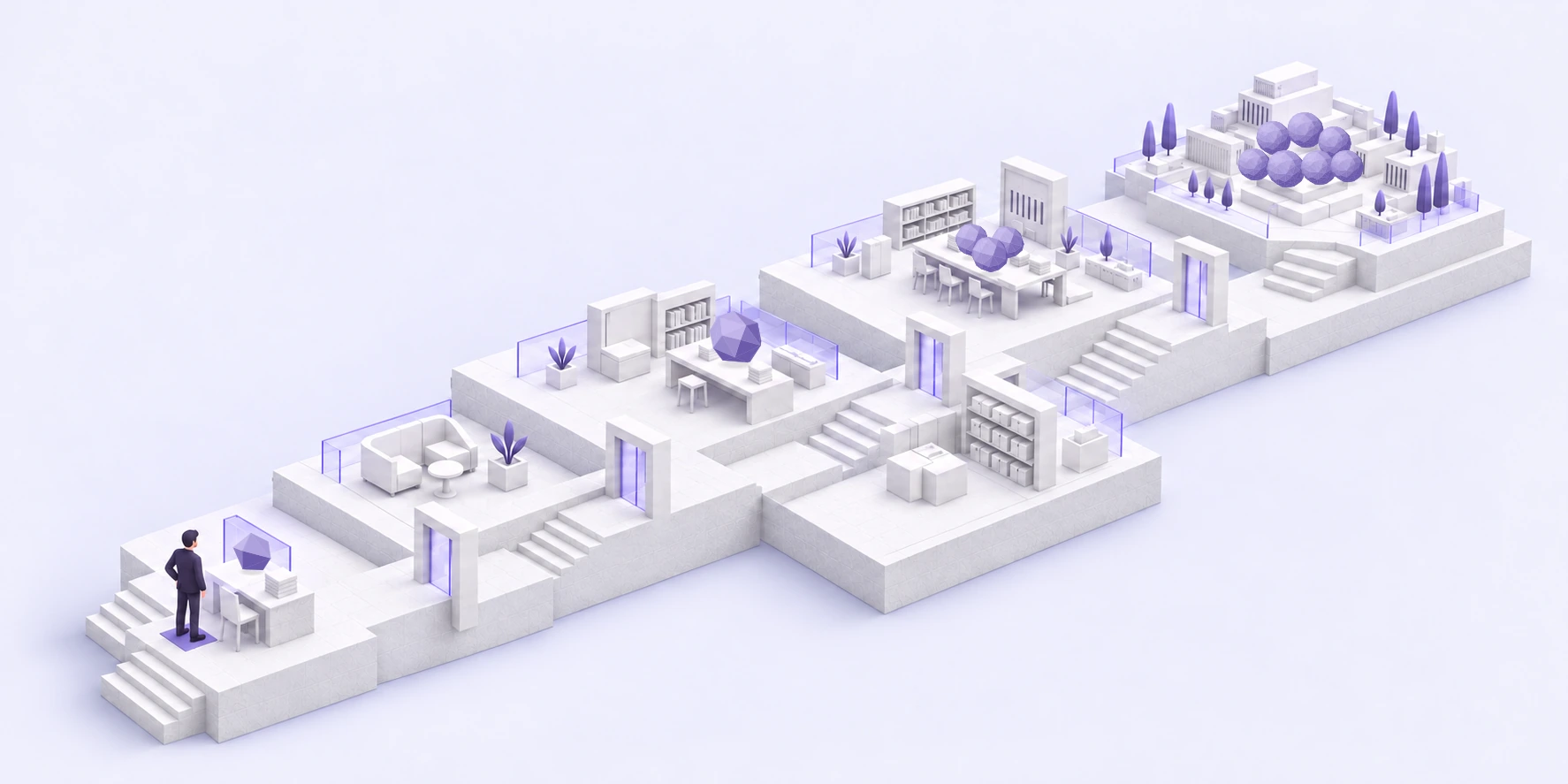
Level 1 — The chat consultant

This one’s easy. Swap Google for Gemini or ChatGPT.
Instead of a list of links, you get an answer. Right away. No choosing.
No choice is mostly a downside.
But you can ask complicated questions. That’s a plus.
This is the starting point. If you’ve moved beyond it, keep looking for your level.
Level 2 — The chat friend

What’s the difference between a friend and a consultant?
A consultant answers your questions. A friend can ask you questions. And does. If it’s a good friend.
Anyone can ask AI for answers. Writing “Ask me questions so we can figure out … together” is a different pattern. This is where it becomes obvious why Claude or Grok isn’t just a replacement for Google.
In the singularity, good questions are worth far more than right answers.
Level 3 — The chat assistant
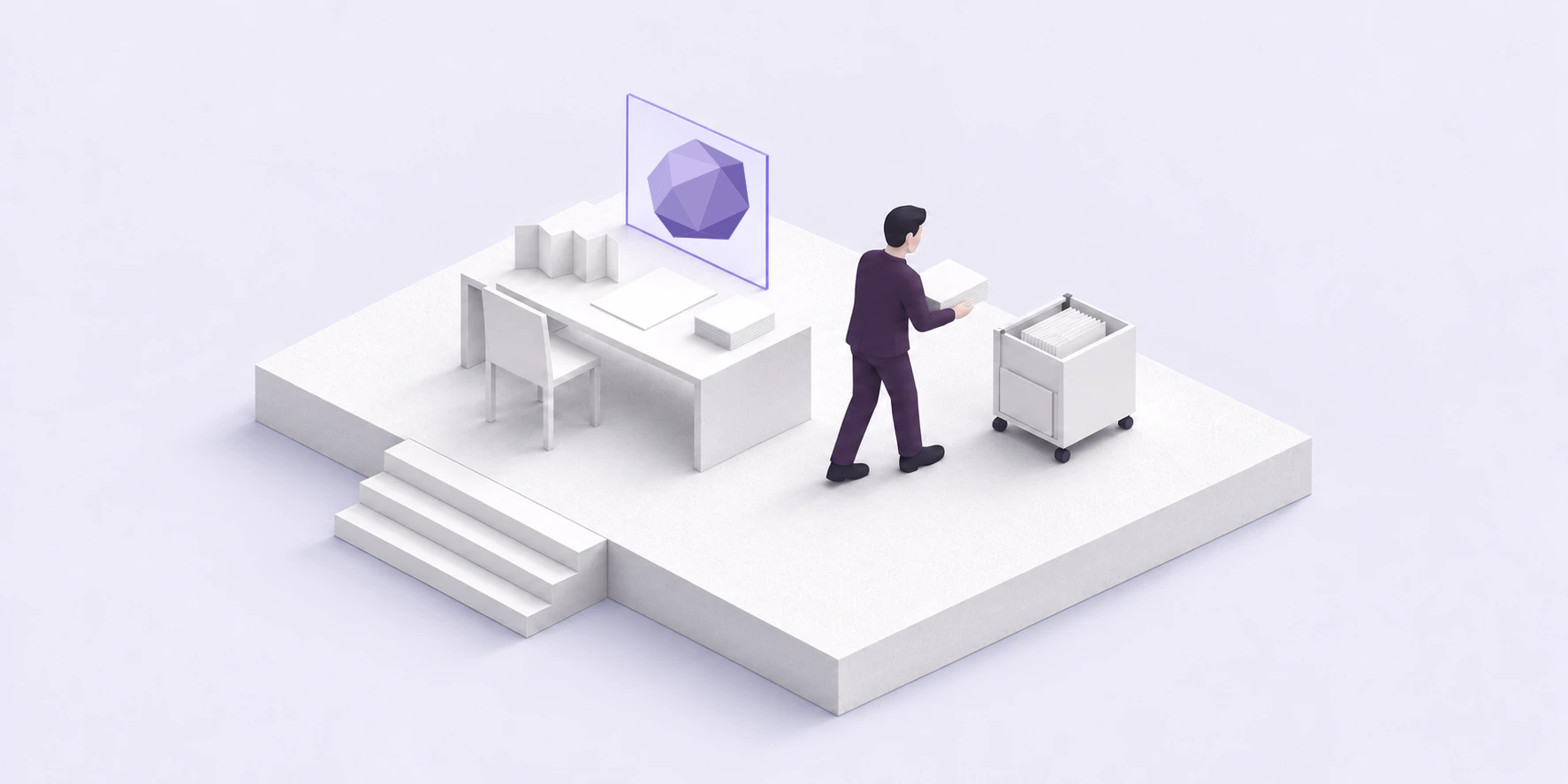
Patterns:
- “Make me a presentation from these materials”
- “Research this topic and present the results as an infographic”
- “Review this contract and point out the weak spots and risks for my company”
These are tasks now. More than Q&A.
You get actual artifacts you can download and use in your work.
You do have to download them, save them somewhere, maybe upload them again in a new chat. A lot of manual work. But it’s worth it.
The assistant is gradually becoming a colleague.
Level 4 — The chat colleague
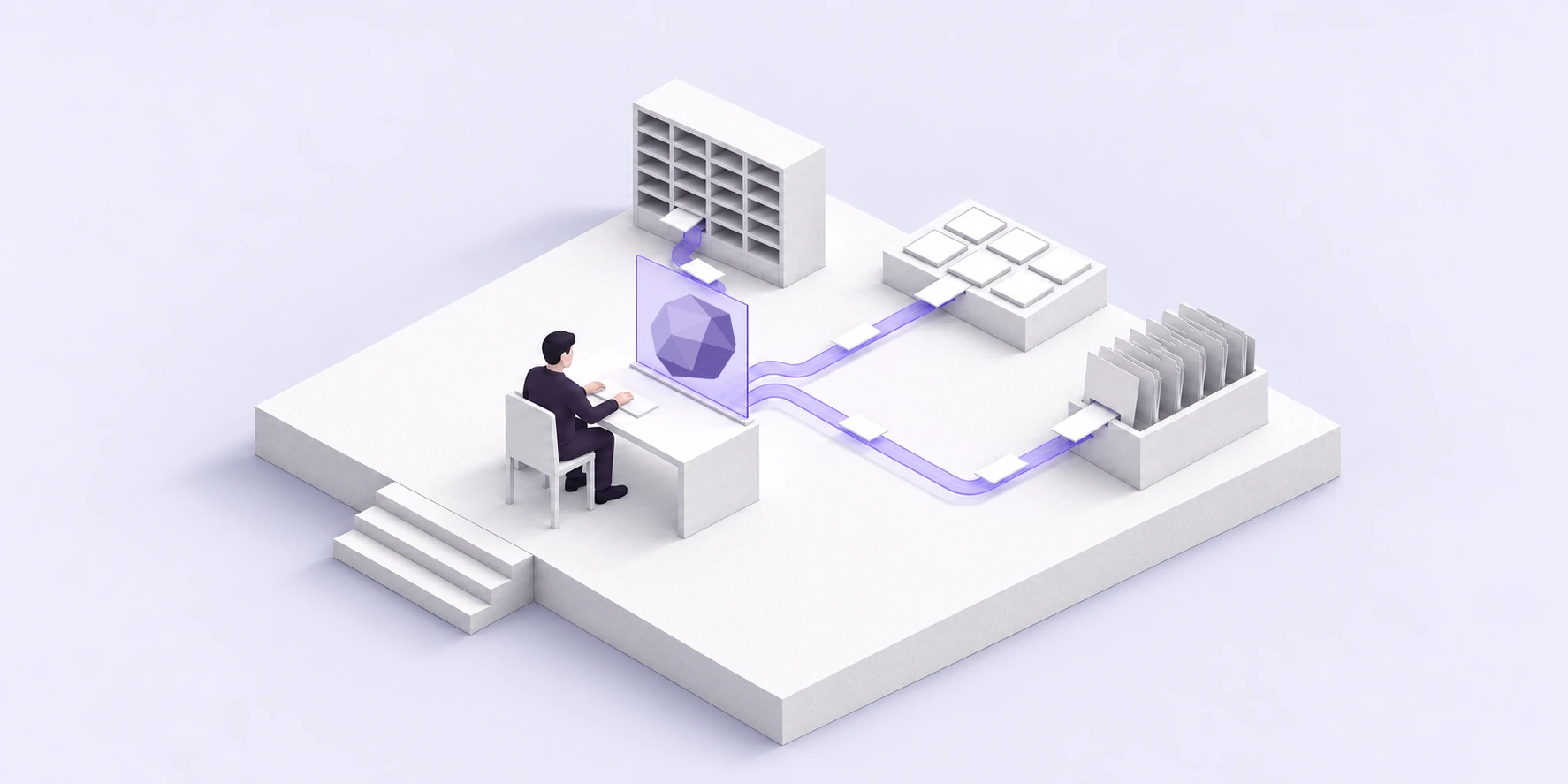
Connect the assistant to your work infrastructure, and you get a colleague.
Patterns:
- “Find the email from Josephine, check the current timeline estimate for her project in Jira, and draft a few possible replies”
- “Check the client statuses in our CRM and give me a list of priorities for today”
By now you’ve personalized Claude and, most importantly, connected it to your work tools.
You’ve probably downloaded the desktop app, set up projects and added your context to each one.
Still doesn’t sound difficult. But this is already a solid level to work at.
Well done.
But there’s a catch.
What happens when you need to move from Claude to Gemini or ChatGPT?
And what about skills and subagents?
Right. They’re on the next levels. After the first barrier.
Barrier 1 — Computer literacy
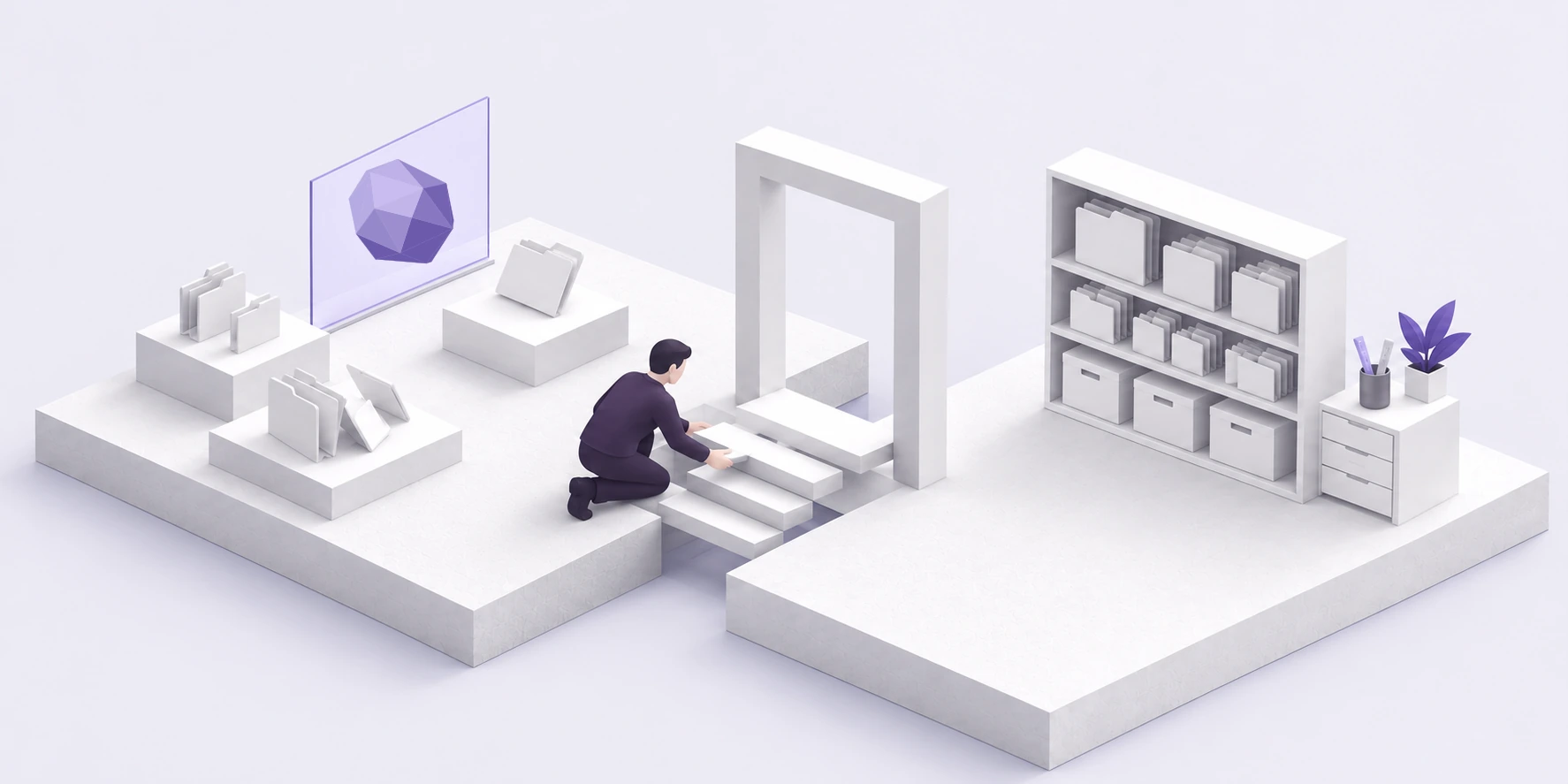
Windows and macOS have spoiled us. Many of us have scattered our context across Google Docs, Notion and Confluence. Why think about where things get saved or where our files live? The terminal? That sounds like programmer stuff. A file system? A root folder? What are you talking about? And why are we even talking about this?
Because Level 5 is next.
Level 5 — The agent partner
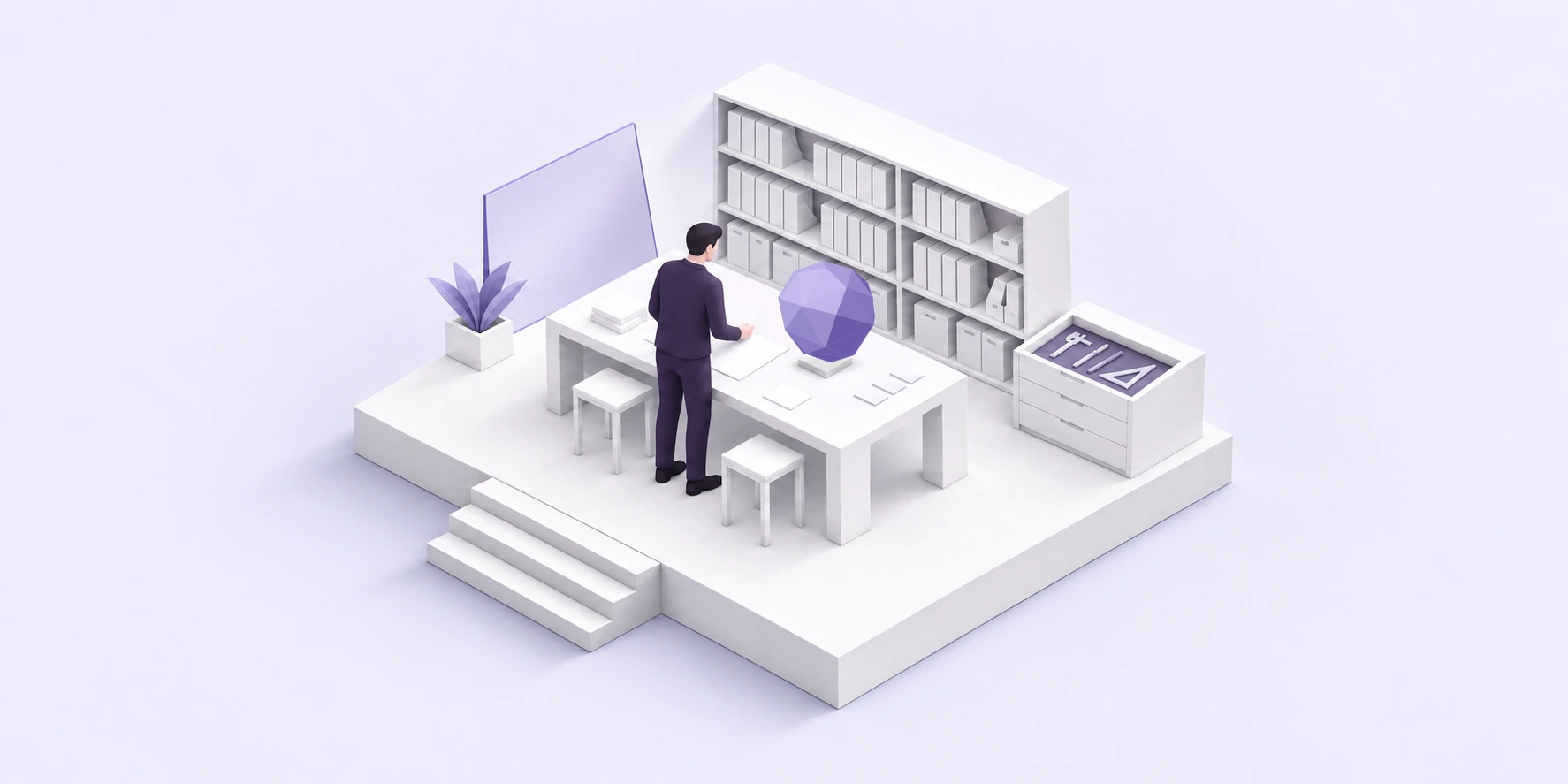
This is where compound context appears. And it lives on your own computer.
Some people start using Obsidian or something similar. Others just have a folder of work files. Though it isn’t just a folder. It’s the context of your life and work. And it grows. Every day.
Remember the question from Level 4: what happens when you need to move from Claude to Gemini? Here’s the answer. Your context stays with you. Swap Claude for Codex and keep working.
Patterns:
- “Read everything in this folder and tell me what I’m doing wrong, and what we can do better together”
- “Sort my notes by project and create a context file for each one”
Notice the pronoun in that first prompt. From this level on, the agent is a partner. There is a “we.”
Skills and subagents appear here too.
At first you download skills from GitHub. Gradually, you start making your own. Nobody knows your work and your life better than you.
The agent partner becomes an important part of your life.
And it grows with you.
It gets tools.
- External tools: Krisp, exa.ai, parallel.ai. Other MCP tools
- Generative tools like ElevenLabs, Nano Banana and GPT-Image
- Internal tools like open-brain, yt-dlp and the rest
New patterns appear:
- “Research this using primary sources and save the result as a file here, rather than a summary in the chat”
- “Make a cover with Nano Banana in my brand style”
- “Turn this text into audio with ElevenLabs”
- “Remember how we just put this presentation together, and turn it into a skill”
By the way, skills live in your files, not in the chat settings. They move with you. From Claude to Codex. From Grok to Gemini.
It’s like having a personal assistant in your office and replacing their underpowered laptop with a supercomputer, a toolbox and unlimited internet. Want 3D? Give them Blender and teach them. There’s no end to how far they can grow. Every week, you can add another superpower.
You can stay at this level for years.
But it’s still one agent. Not a team. Ready for the next level?
Yes. But first, another barrier.
Barrier 2 — Management
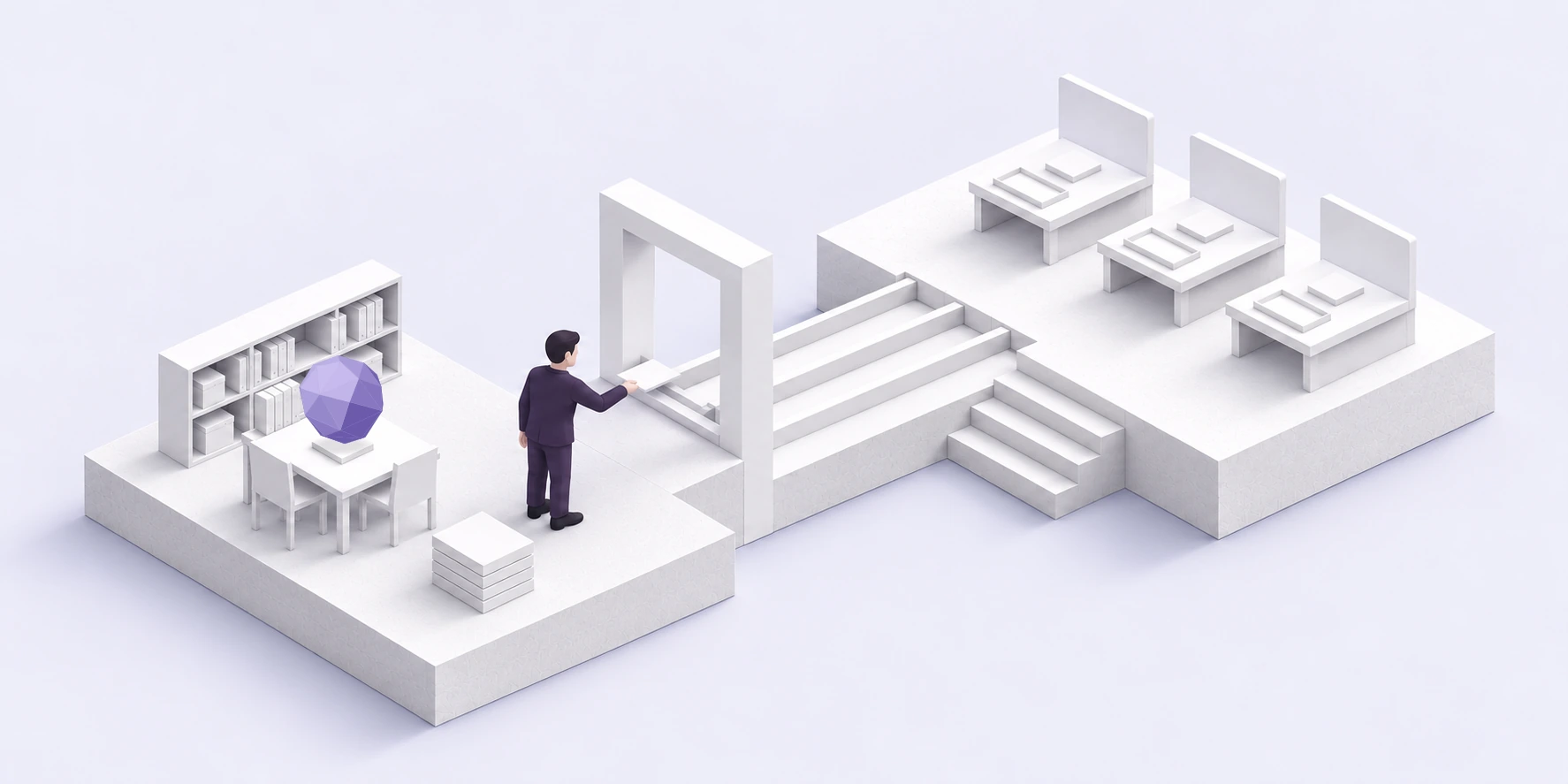
Until now, computer literacy and the ability to delegate to one agent were enough. From here on, you need to manage.
A new subscription won’t get you over this barrier. You can do excellent work with one strong agent and never go any higher. The question is what problems you want to tackle next. How much have your ambitions grown?
Maybe you never planned to become a manager.
Well. Now you’ll have to.
Level 6 — My AI team

You no longer have one agent for everything.
There’s a researcher, a designer, an editor.
Patterns:
- “Researcher, gather the material. Designer, make an infographic from the findings. Editor, check the text”
- “Look at what the other agent did and find the weak spots”
Several agents make a team. And a team has a new question for you: are you a good manager? Now you have to hand out tasks, take one agent’s result and pass it to another. And remember where everything lives and who’s waiting for what.
Remember the first time you had human employees? You’d moved up. You were the boss now. But life didn’t get easier. It got harder. That’s what this feels like.
At this level you add more providers. You had Codex and its subagents, and it all made sense. Then Claude showed up, Grok flew in, Gemini followed. And DeepSeek is still around.
You add local models through Ollama or LM Studio.
Some tasks run locally. Slowly, but for the cost of electricity.
This is the most mentally demanding level.
You have more agents. But you’re still carrying the data and requests between them.
And the decisions. And the responsibility. Those have always been yours, and always will be. But now there’s a lot more of both.
Time to take some of the load off yourself. Turn the team into a company.
But how?
Barrier 3 — Business vision
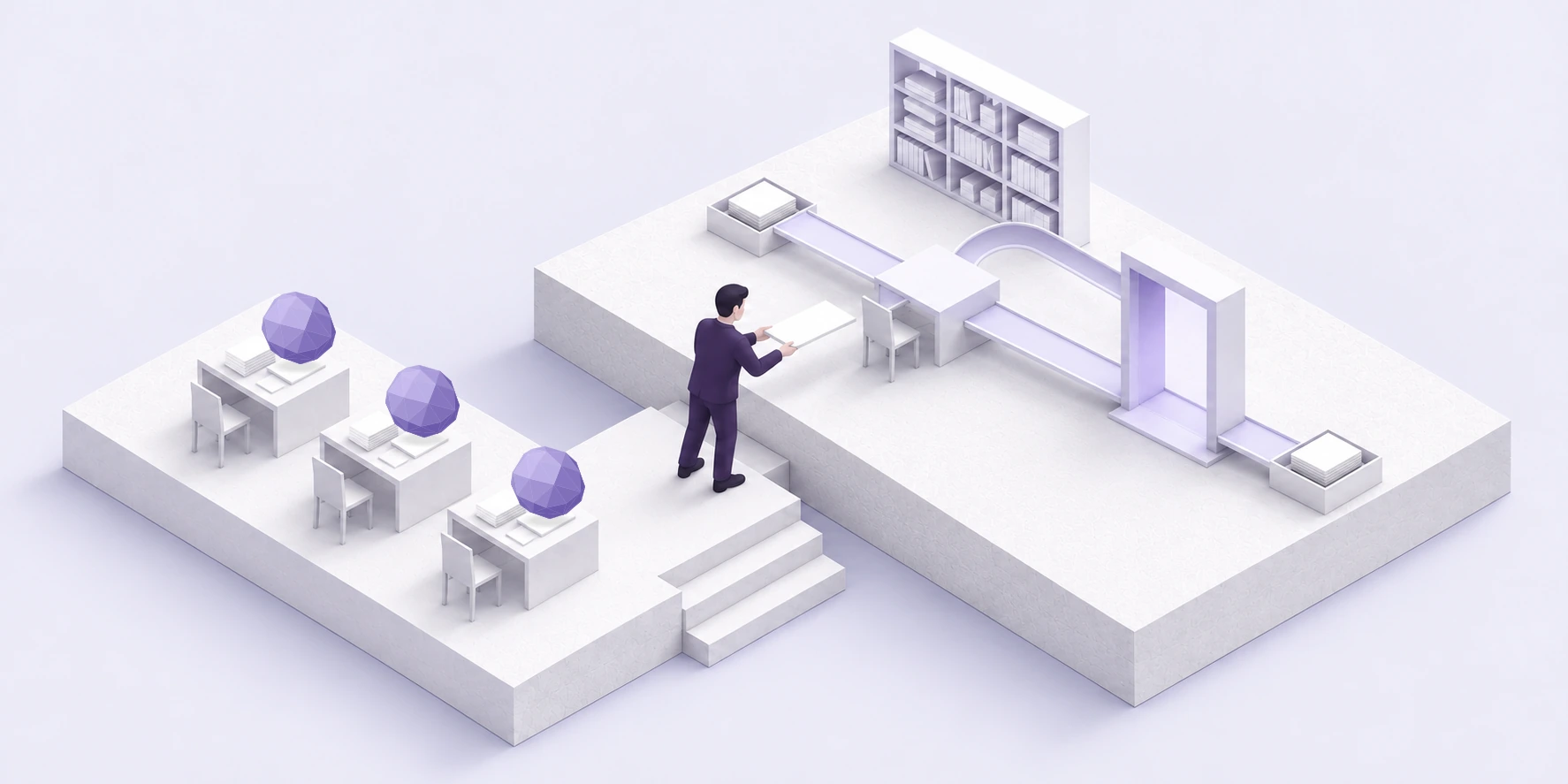
A team can be managed. A company has to be built.
You have to look beyond what each agent is doing to the whole process, from task to result. Who’s involved? Where does the work need checking? What happens when something goes wrong? Designing a business process, putting it in place and taking responsibility for it is very different from doing one job inside it.
Level 7 — My company (or overcortex)
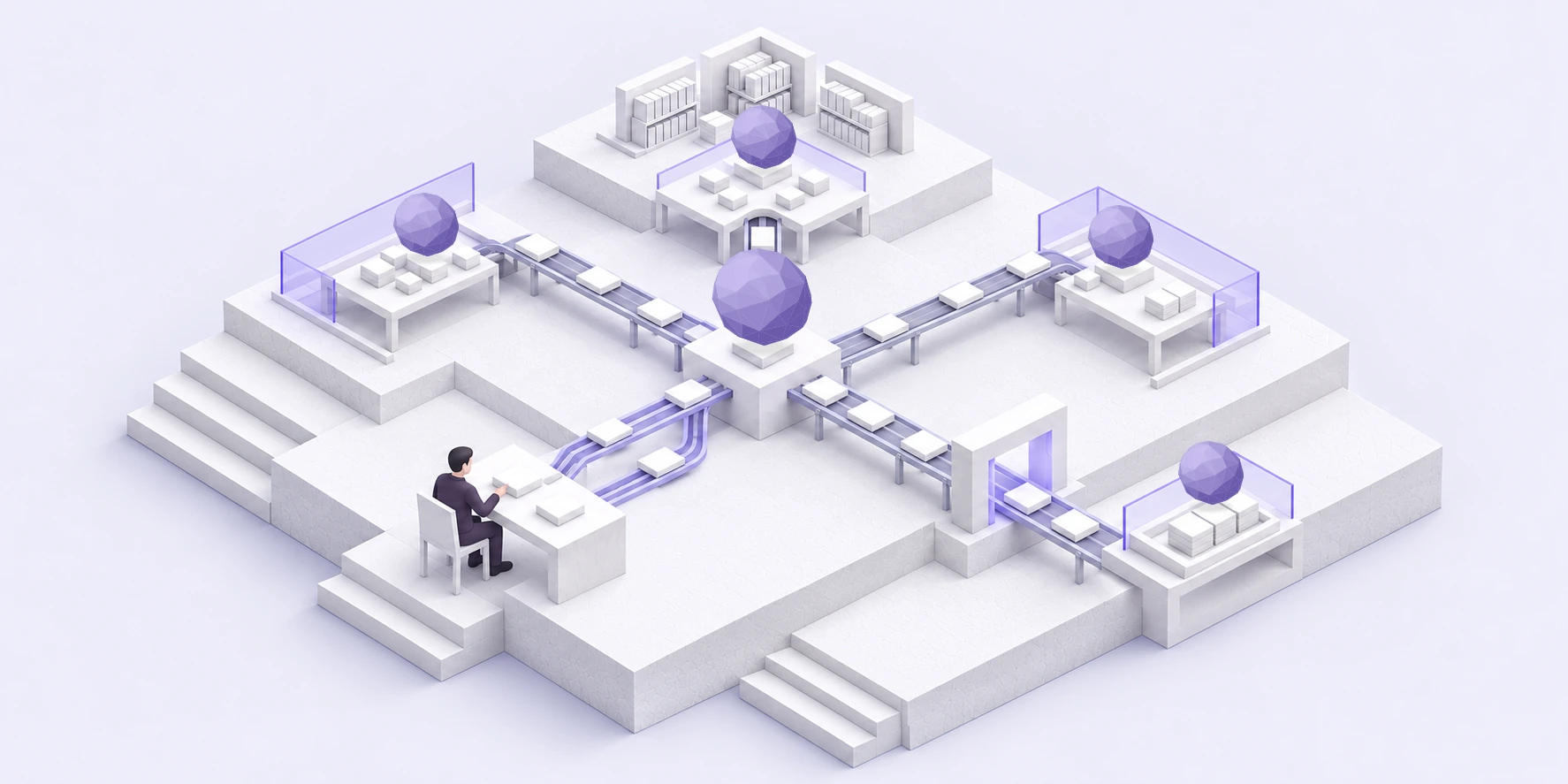
You no longer carry results between agents and sessions.
You give the task once. Through one agent.
Patterns:
- “Here’s the task. Break it down, delegate it, arrange a review, and bring me the result along with any questions that need my decision”
- “Show me what’s waiting for my decision right now”
- “Build a dashboard of our teammates and their memories”
An orchestrator agent appears. It delegates to subagents, who delegate to theirs. You get a task board. A hierarchy, rules, procedures, a charter. Sounds like bureaucracy. Yes, it is.
You’ll also have to decide which decisions agents make themselves and which they bring to you. If every decision still goes through you, you don’t have a company. You have a queue outside the boss’s door.
For me, it takes a combination. Hard checks that always run: did you record the result? Did you attach the artifact? And freedom between those checks. Agents do what I ask, in their own words. Tighten every screw, and you get a system that can only do what you thought of yesterday.
By this stage, you usually have a personal dashboard with your tasks. You can delegate to the orchestrator straight from it and see what’s in your teammates’ and other subagents’ memories.
The more complex the system, the more transparency matters.
If you’re here, congratulations.
Level 8 — My corporation
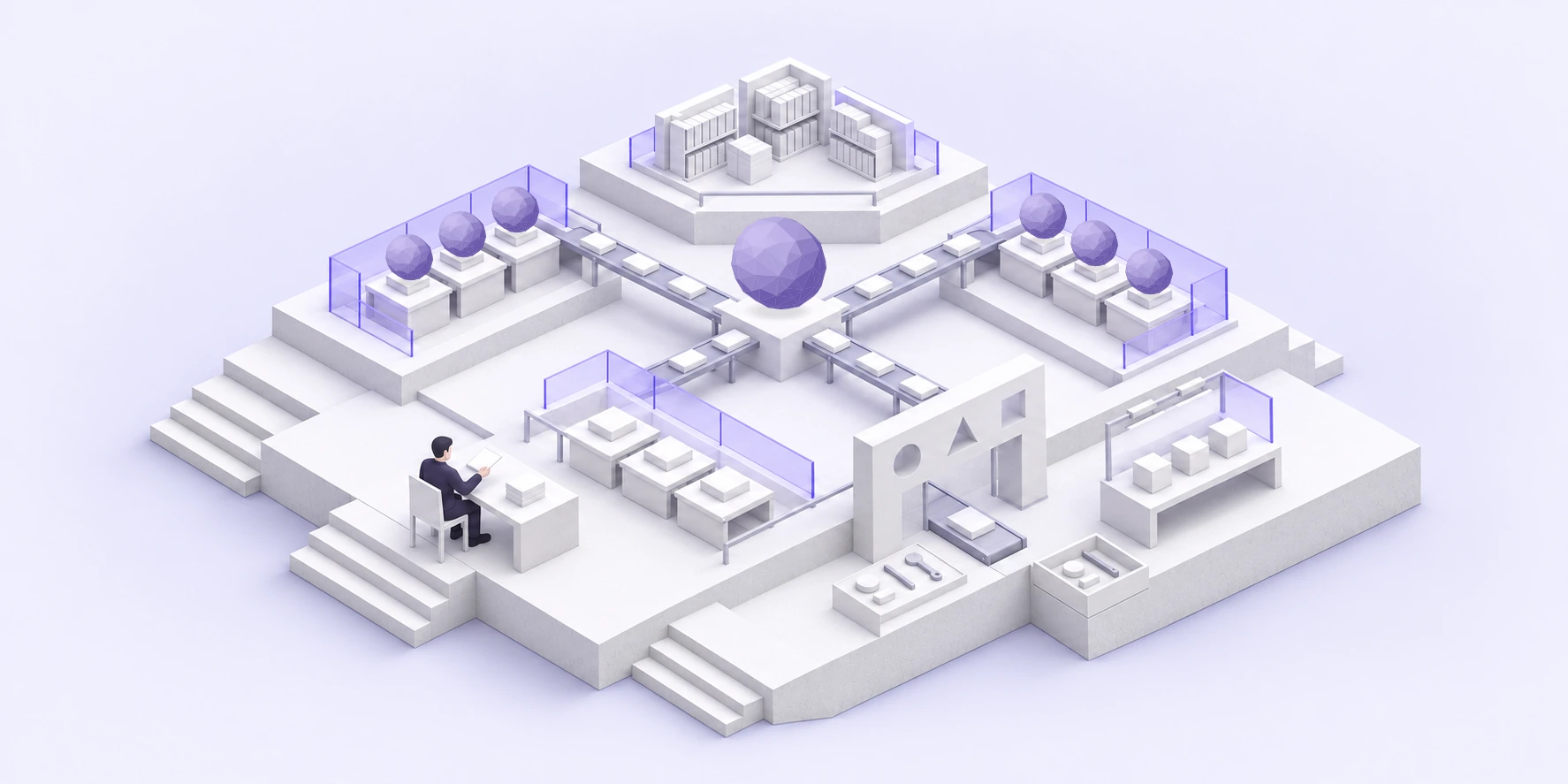
What’s the difference between a company and a corporation?
Established processes.
When your company has three people and you hire a fourth, onboarding goes like this: “Go see Dave. He’ll show you how to get access and where the cookies are.” In a corporation, you learn who’s responsible for what, what’s allowed and what isn’t. You get access according to your role, rather than to everything. Leaving means more than slamming the door. There’s an exit checklist: give up your access and hand over your work.
Then come KPIs, OKRs, 360 assessments and performance reviews.
In a corporation, this is often just corporate bullshit. With agents, it takes on a different meaning.
Patterns:
- “Hi, orchestrator. We have a new agent. Onboard it and give it the tools it needs. Run some test tasks to make sure everything works”
- “We don’t need this agent anymore. Revoke its access and hand over its unfinished work”
- “Give three agents running on different models the same task and compare the quality”
I have four providers and twenty or thirty roles. I could ask each one myself: can you use search? Images? This key? Ideally, a procedure does that. Every Sunday at seven in the morning. Without me. Does the tool work? Do you work? Do you know where your instructions are?
And I’m still building.
Mission, values and the rest are still ahead.
Right now, I’m somewhere between Levels 7 and 8.
What’s next?
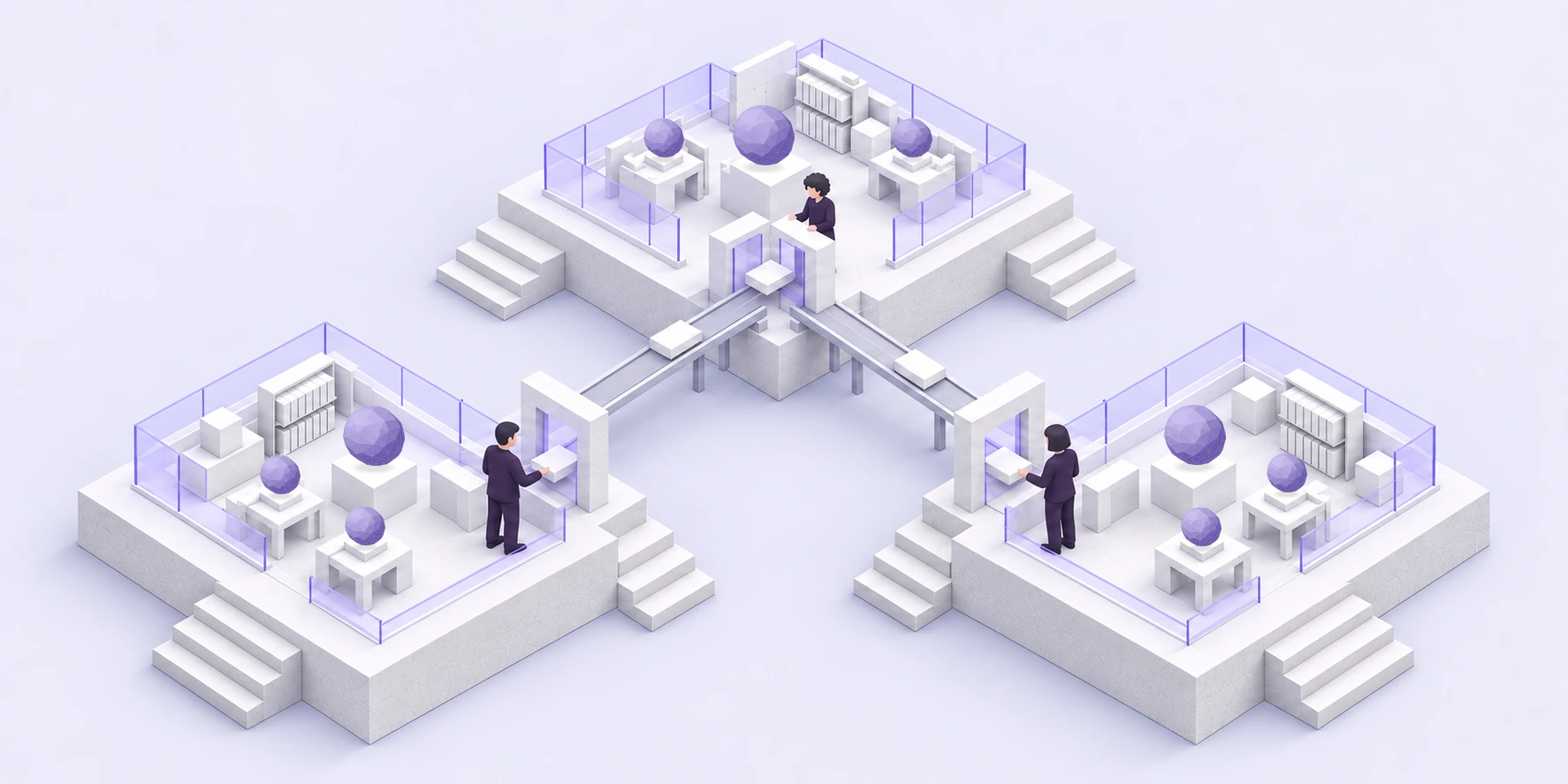
At the start, I wrote that everyone will become the orchestrator of their own micro-team.
Next, those micro-teams will start working together. My agents and someone else’s agents doing shared work. Each team has its own rules, context and limits. So we’ll have to agree on who speaks for whom, what can cross the boundary, and what result we’re promising each other.
I’m already experimenting with this. And I’ll tell you as soon as something works.
Where’s number 9?
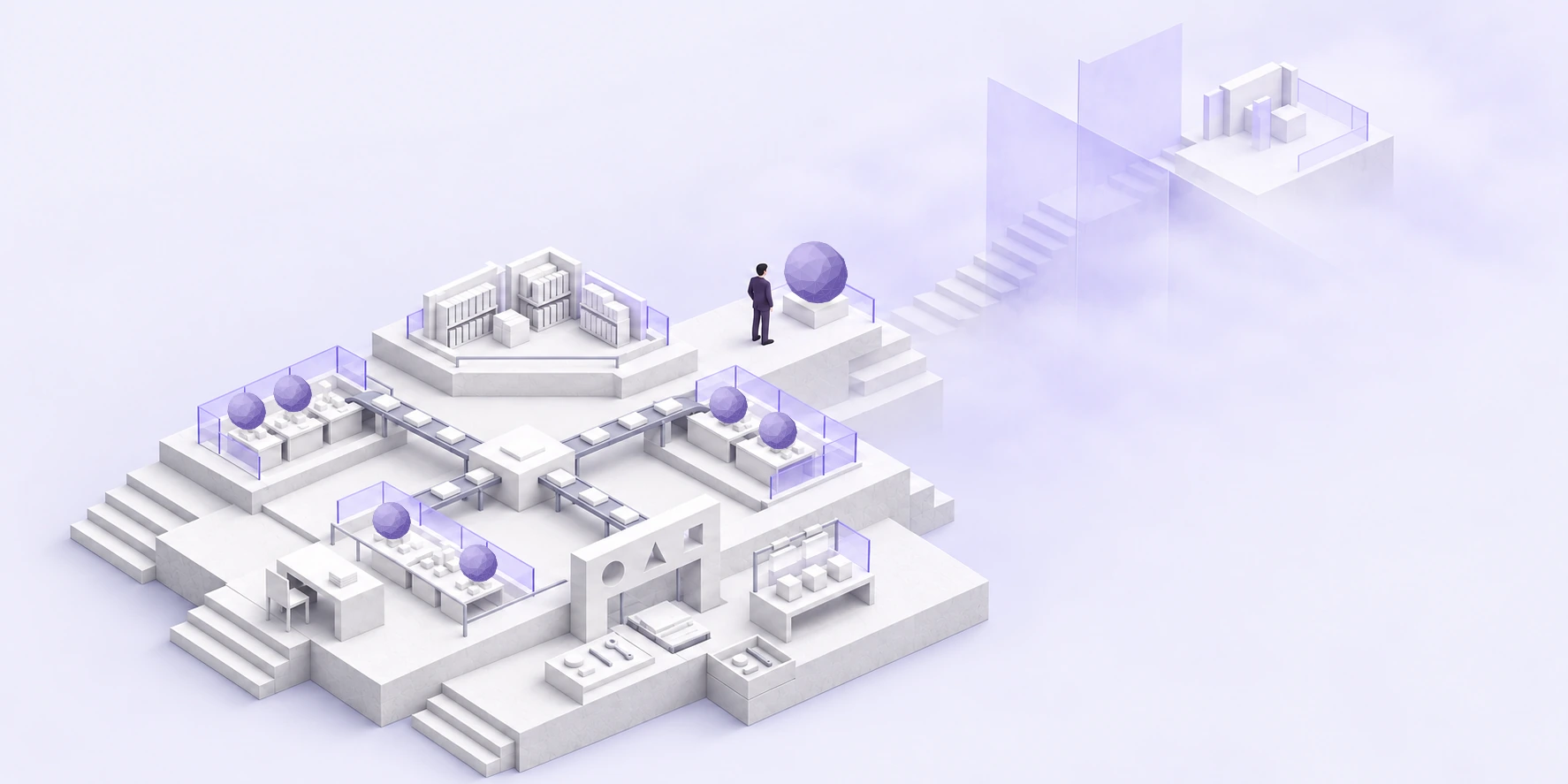
Here’s the limit of the method: from my level, I can only see the next one. That doesn’t mean the ladder ends there.
What looks like the summit now is probably just a local maximum. There’s more beyond it. But we’ll only see the next peak once we’ve reached the one in view.
What’s it all for?
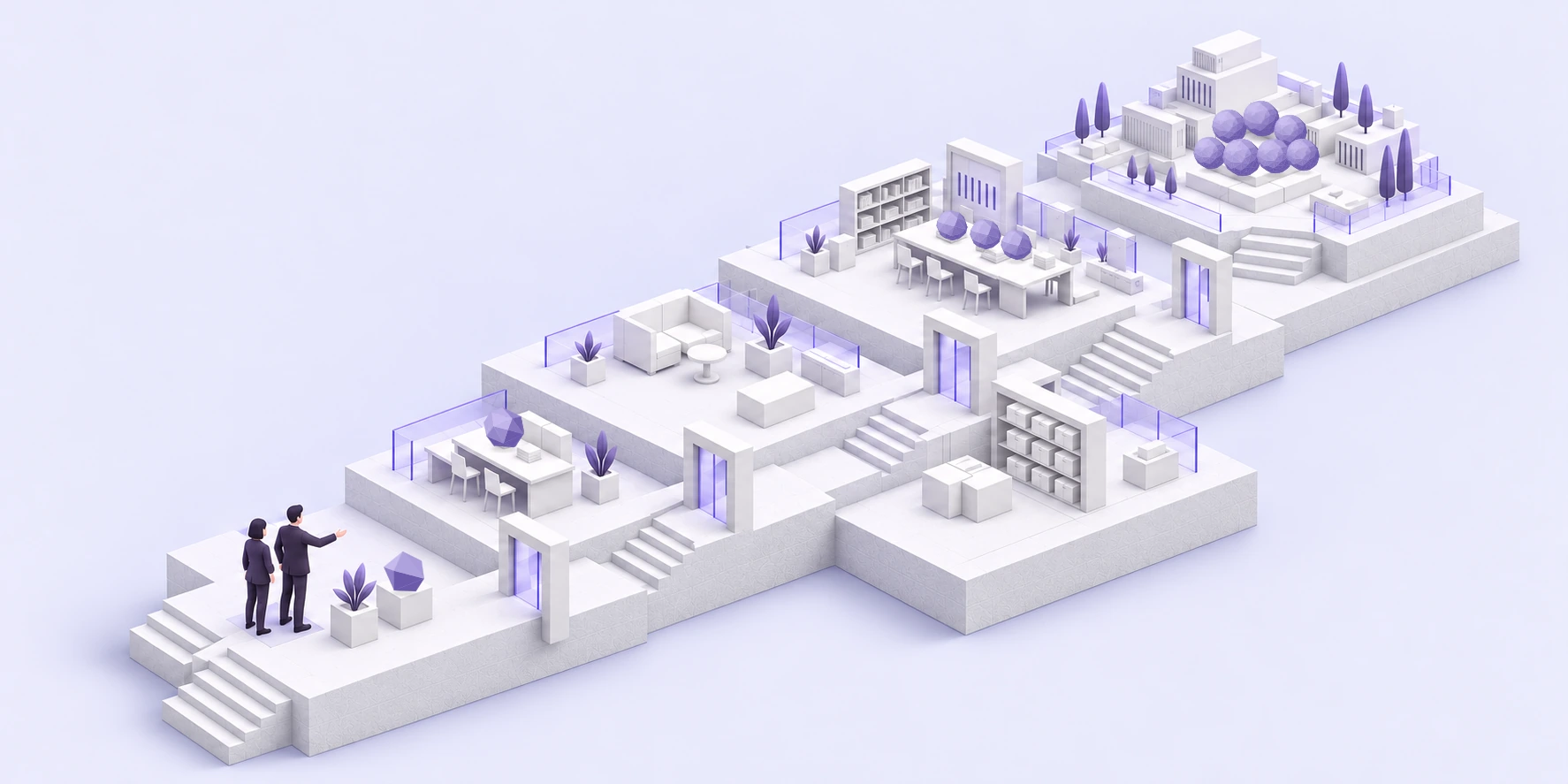
To give you a map. Somewhere to find yourself and plot a route to the next point.
You can’t jump straight from Level 2 to Level 6. There’s a path, and you have to walk it.
I hope this article helps you see where to take your own system next. And helps you explain to a friend, or someone close to you, where they can go from the step they’re on.
And if you need me, I’m here. To answer questions, help, point you in the right direction.
If you’re at Levels 1–4 and want to move towards the fifth, sixth or seventh, join my AI Anti-Magic course.